
A strong metaphor about abuse goes a long way to propel this film into compelling heights.
The Invisible Man
Likes: Strong thematic message about how abuse lasts past the initial event and how difficult it is to find believers.
Dislikes: Mileage will vary for enjoyment of the Invisible Man special effects. Also a Saw Easter egg ruined a dramatic moment for me.
Bottom Line: If this is indeed an(other) attempt to kick start the “Dark Universe” franchise, it’s off to a solid start.
4 out of 5. ◆◆◆◆◇
by Jacob Schermerhorn
The best horror/sci-fi tales are the best not because of their imaginative worlds or technology but because of the deeper themes that reach into truths about human nature and society. Dawn of the Dead is really a commentary on consumerism, It Follows is about STDs, Get Out is a dark reflection of the black experience in America, and Rosemary’s Baby is about not taking women seriously and gaslighting them into obedience.
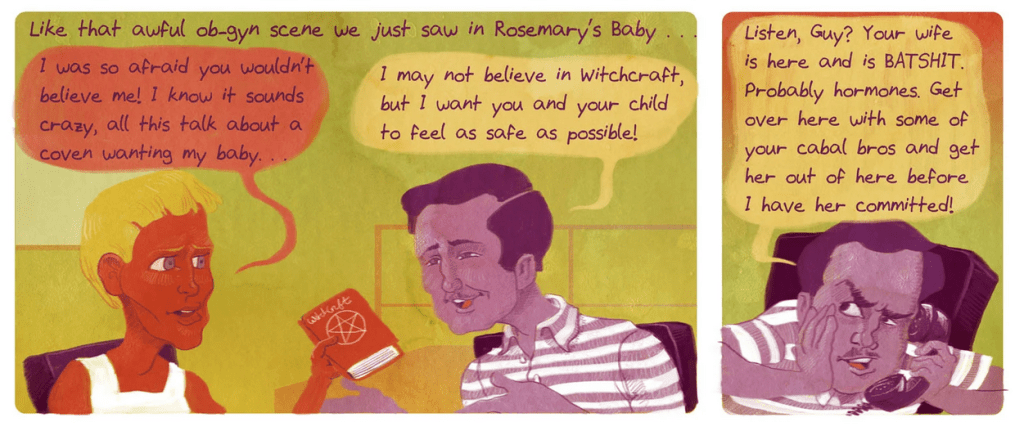
Leigh Whannell (most know for the Insidious and Saw franchises) wrote and directed The Invisible Man which hues most closely to the last example in that list. Cecilia Kass (Elisabeth Moss) is constantly fighting for people to believe her story and escape from violent relationship. Where it differs from Rosemary’s Baby is with its straightforwardness. The Invisible Man is, ironically, very visible in its message: this film is about abuse.
In the opening scene, Cecilia escapes from her an abusive relationship with Silicon Valley tech-bro Adrian Griffin (Oliver Jackson-Cohen) by slipping out in the middle of night with the help of her sister Emily (Harriet Dyer). After hiding for a few weeks at Emily’s ex-husband James’ (Aldis Hodge) house, news breaks that Adrian committed suicide and left a large sum of money to Cecilia.
However, soon after Adrian’s death strange things start occurring to Cecilia. Breakfast ends up burnt on the stove, doors unlock on their own and important documents disappear during a job interview. As these occurrences grow in number and severity, so does Cecilia’s paranoia and desperation. She is convinced Adrian faked his own death and used his super technology to make himself invisible.
As Cecilia tries convincing friends and family, they all question her sanity and soon she is all alone. Emily and James have theories about her behavior: perhaps it’s leftover paranoia from Adrian’s abuse or maybe it’s an overdose of medication. There are always excuses people make to not trust survivors. (Or, in an era of #metoo, to not trust accusers.)
The metaphor is definitely not what you could call subtle, but it’s probably the best part of this film. Following Cecilia as she spirals further out of control gives the audience a look into how it feels to be a voice failing to be heard over the structural distrust of our society. Whannell should be commended for taking the OG Invisible Man story, which biggest message is “Wouldn’t it be creepy if there was a criminal who was invisible?” and giving it real thematic weight.
Cecilia’s final action (which I will not spoil) gives the character agency and resolution. However, I predict its true meaning, which is a bit ambiguous, will be debated over long after The Invisible Man is out of theaters. I look forward to that discussion and the reaction people will have to this surprisingly provocative movie.



















 Real Human Bing Movie Thoughts